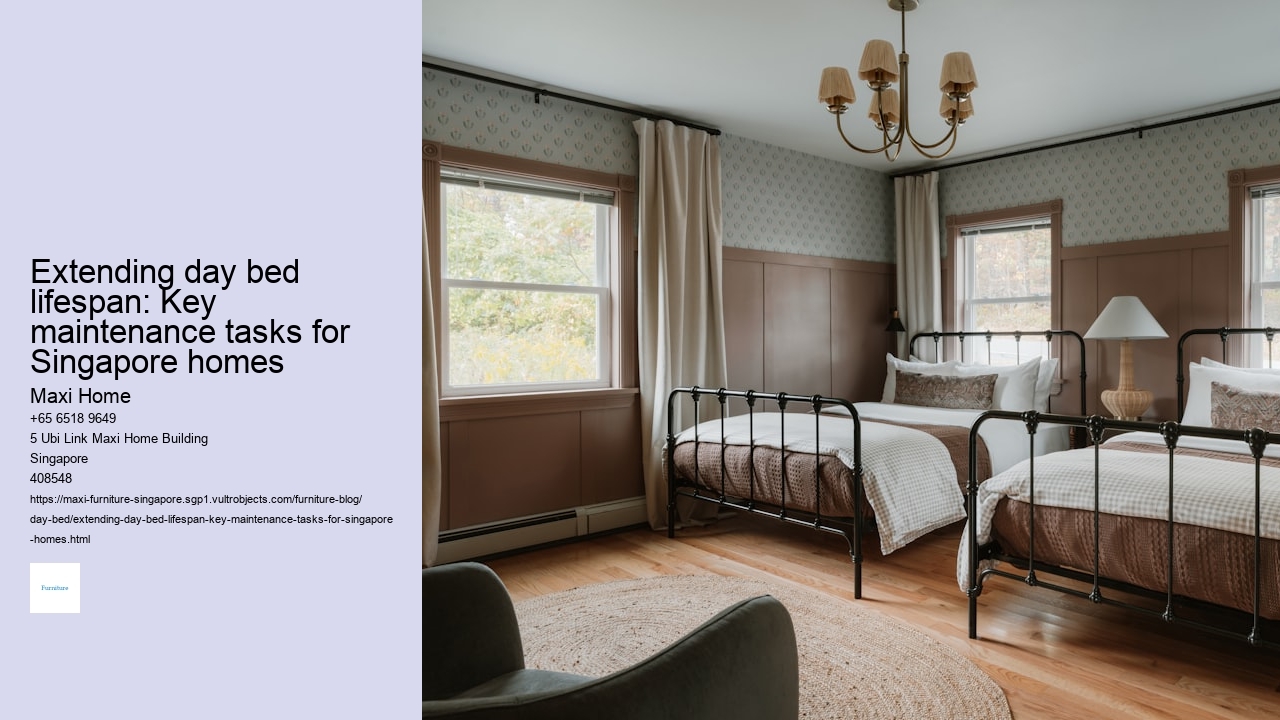
Extending day bed lifespan: Key maintenance tasks for Singapore homes

Extending day bed lifespan: Key maintenance tasks for Singapore homes

Introduction: The Enduring Appeal of Day Beds in Singapore Homes

```html

Singapore homes, especially those new BTOs, aren't exactly swimming in space, are they? That's where the humble day bed comes in, right? It's like the superhero of furniture – sofa by day, comfy bed by night. Talk about a multi-tasker! They're super popular, and for good reason. Whether you're chilling with friends, catching a quick nap, or accommodating overnight guests, a day bed is a lifesaver. Plus, they look pretty stylish, adding a touch of chic to any room. But like any good investment, your day bed needs a little TLC to keep it looking good and lasting long, especially with our humid Singapore weather. So, let's dive into how to keep your day bed in tip-top shape, yeah?

Understanding the Materials: A Foundation for Care

Before you even think about cleaning or maintenance, it’s crucial to know what your day bed is actually made of. Is it solid wood, metal, or maybe a combination? Is the upholstery fabric, leather, or something else entirely? Different materials need different care, lah. For example, you wouldn’t use the same cleaning product on a delicate linen cover as you would on a sturdy wooden frame. Knowing your materials is half the battle won!

Let's break it down a bit. Wooden frames, for instance, might need polishing with wood-specific cleaners to prevent drying and cracking, especially in our humid climate. Metal frames, on the other hand, are usually more resistant but might be prone to rust if exposed to moisture. Upholstery is a whole other ball game. Fabric upholstery can attract dust and stains easily, while leather needs regular conditioning to prevent it from cracking and looking sad. Think of it like your skin – you wouldn't use the same moisturizer on oily skin as you would on dry skin, right? It's the same principle with your furniture. Taking the time to understand the materials of your day bed will make a huge difference in how you care for it.

And don't forget the mattress! The type of mattress (foam, spring, latex) also dictates how you should care for it. Foam mattresses might need regular airing to prevent moisture build-up, while spring mattresses might benefit from being flipped regularly to ensure even wear. See? It's all about the details! When you first get your day bed, take a good look at the manufacturer's instructions. They usually have specific recommendations for cleaning and maintenance, tailored to the materials used. Keep those instructions safe, leh, you never know when you might need them! And if you're not sure about something, don't be afraid to ask the furniture store or a professional cleaner. Better safe than sorry, especially when it comes to your beloved day bed!

Regular Cleaning: Banishing Dust and Grime

Okay, let's talk cleaning. In Singapore, dust and humidity are a constant battle, right? So regular cleaning is non-negotiable if you want your day bed to last. Think of it as a weekly ritual, like your Sunday morning kopi run. A quick vacuum goes a long way. Use the upholstery attachment to get into all those nooks and crannies, especially along the seams and buttons. Dust settles everywhere, you know, and it can really dull the look of your day bed over time. For wooden frames, a simple wipe-down with a damp cloth is usually enough to remove dust and grime. Just make sure the cloth isn't too wet, hor, you don't want to damage the wood. And always follow up with a dry cloth to prevent watermarks.

For fabric upholstery, consider using a fabric refresher spray every now and then to keep it smelling fresh. These sprays can also help to eliminate odors and kill bacteria, which is especially important if you have pets or kids. If you spill something on your day bed, act fast! Blot the stain immediately with a clean cloth. Don't rub, lah, that will only spread the stain. For stubborn stains, you might need to use a specialized upholstery cleaner. Always test the cleaner on a small, inconspicuous area first to make sure it doesn't damage the fabric. And remember to follow the instructions carefully.

Leather day beds need a bit more attention. Use a leather cleaner and conditioner regularly to keep the leather supple and prevent it from cracking. Avoid using harsh chemicals or abrasive cleaners, as these can damage the leather. And keep your leather day bed away from direct sunlight, as this can cause it to fade and dry out. The key is consistency. A little bit of regular cleaning is much easier than dealing with a big, stubborn stain or damaged material later on. So, make it a habit, and your day bed will thank you for it!

Protecting Against Stains and Spills: Prevention is Key

We all know that accidents happen. Spilled coffee, dropped food, muddy paws – it's all part of life, especially with kids or pets around. But you can definitely minimize the damage and keep your day bed looking pristine with a few preventative measures. Think of it as building a fortress around your precious furniture.

One of the easiest and most effective ways to protect your day bed is to use a stain-resistant spray. These sprays create a barrier on the fabric that repels liquids and prevents stains from setting in. They're super easy to use – just spray it on evenly and let it dry. You can find them at most home goods stores. Another great option is to use slipcovers. Slipcovers are like clothes for your day bed. They protect the upholstery from stains, spills, and wear and tear. Plus, they're easy to remove and wash, which is a major bonus. People living in the Lion City often face unique challenges when setting up their interiors, mainly due to compact apartment living and relentless heat and humidity. This is the very why discerning residents shop very thoughtfully to secure quality without overspending. day bed proves to be a fantastic piece for daily living that provides both lasting comfort and smart practicality. It’s important to note that purchasing cost-effective pieces in Singapore with reliable after-sales service guarantees complete support including prompt island-wide delivery, expert installation, and comprehensive warranties that deliver true long-term peace of mind for years ahead.. You can even change them out to match your décor, steady!

For leather day beds, consider using a leather protector. This will help to prevent stains and keep the leather looking its best. And always be careful about what you put on your day bed. Avoid eating messy foods or drinking dark liquids while sitting on it. And if you have pets, train them not to jump on the furniture. Easier said than done, I know, but it's worth a try! Sometimes, even with the best precautions, stains happen. The key is to act fast. The sooner you treat a stain, the easier it will be to remove. Keep a stash of cleaning supplies handy, so you're always prepared. After a long day squeezing on the MRT and grinding through meetings, most Singaporeans just want to come home to a space that feels welcoming and calm instead of adding to the stress. A disorganised space or an uncomfortable bedroom can make unwinding even more difficult, especially when the kids and parents are trying to relax together. That’s where thoughtful HDB interior design Singapore really makes a difference—it turns everyday rooms like your hall, bedroom, or kitchen into true recharge spots that actually help you unwind. With the right couch, bed mattress, or smart layout, suddenly coming home feels damn shiok, and simple upgrades can bring big improvements to your daily mood and family bonding. Places like Wondrous La Vie make it easier to discover inspiration and get in touch with home designers who get the local HDB/condo style just right. This format lets you easily generate multiple SEO-optimised variations while keeping the core keyword "interior design" stable in the middle for strong on-page targeting.. With a little bit of prevention and quick action, you can keep your day bed looking like new for years to come.

Addressing Wear and Tear: Minor Repairs for Longevity

Even with the best care, your day bed will inevitably show some signs of wear and tear over time. That's just life, lah. But don't worry, most minor issues are easy to fix with a little bit of DIY know-how. Think of it as giving your day bed a little spa treatment.

Loose screws are a common problem, especially with day bed frames that get a lot of use. Simply tighten them with a screwdriver. If the screws are stripped, you can try using a toothpick or matchstick dipped in wood glue to fill the hole before re-inserting the screw. This will give it a better grip. For sagging cushions, you can try fluffing them up or replacing the foam inserts. You can buy foam inserts at most craft stores. If the upholstery is torn or ripped, you can try patching it up with a fabric patch or taking it to a professional upholsterer. A small tear can quickly turn into a big problem if left unattended, so it's best to address it as soon as possible.

For wooden frames, scratches and dents can be easily fixed with a wood filler. Just apply the filler to the damaged area, let it dry, and then sand it smooth. You can then touch it up with a matching stain or paint. Metal frames might be prone to rust, especially in our humid climate. If you spot any rust, remove it with a wire brush and then apply a rust-resistant paint. Regular maintenance can prevent minor issues from turning into major problems. Inspect your day bed regularly for any signs of wear and tear, and address them as soon as possible. With a little bit of effort, you can keep your day bed looking good and lasting for years to come. And remember, if you're not comfortable doing the repairs yourself, don't hesitate to call a professional. Sometimes, it's worth paying a little extra to get the job done right.

Optimizing Placement and Usage: Smart Habits for a Lasting Day Bed

Where you put your day bed and how you use it can have a big impact on its lifespan. Think of it like choosing the right spot for your plants – some thrive in direct sunlight, while others prefer shade. It's the same with furniture.

Avoid placing your day bed in direct sunlight, as this can cause the fabric to fade and the wood to dry out and crack. If you can't avoid direct sunlight, consider using curtains or blinds to filter the light. Also, keep your day bed away from heat sources, such as radiators or fireplaces. Heat can also damage the fabric and wood. And be mindful of humidity. Our Singapore weather can be brutal, so make sure your day bed is in a well-ventilated area. Use a dehumidifier if necessary to keep the humidity levels down.

How you use your day bed also matters. Avoid sitting on the edges of the cushions, as this can cause them to sag prematurely. And don't overload the day bed with too much weight. This can strain the frame and cause it to break. If you're using your day bed as a guest bed, consider using a mattress protector to keep it clean and hygienic. And always rotate the mattress regularly to ensure even wear. Encourage good habits. The main living area is often the primary spot visitors notice and where the kids and parents relax after dinner, so it feels right to want pieces that looks good, hides wires cleanly, and keeps the area feeling open than it already feels in most SG flats. Many Singaporeans deal with bulky old cabinets or budget cabinets that feel unstable, attract dust fast, or just don’t match the modern vibe they’re aiming for. That’s exactly where a well-chosen customised furniture steps in—it delivers sleek storage for TV gadgets, streaming boxes, and controllers while acting as a stylish focal point that brings the room together seamlessly with minimalist profiles, clever storage sections, and high-end materials. SUDDENLY the TV area becomes organised and intentional, the room looks bigger and more put-together, and film evenings get way more fun without the disorder stealing attention. Exploring handpicked selections on platforms like Wondrous La Vie makes it easy to source designs that fit your space perfectly, from clean contemporary to opulent, so your hall refresh turns smooth and just right.. Teach your kids and pets to be gentle with the furniture. And remind your guests to be mindful of spills and stains. With a little bit of thought and care, you can create a comfortable and stylish space that will last for years to come. It's all about being proactive and taking small steps to protect your investment.

Professional Cleaning and Maintenance: When to Call in the Experts

Sometimes, despite your best efforts, your day bed might need a little extra help. That's when it's time to call in the professionals. Think of it like going to the doctor – sometimes you need a specialist to diagnose and treat a problem.

Professional upholstery cleaners have the equipment and expertise to deep clean your day bed and remove stubborn stains. They can also treat the fabric with stain-resistant sprays to protect it from future spills. If your day bed has a complex frame or intricate details, it might be best to hire a professional furniture repair service to handle any repairs. They can fix broken frames, replace damaged parts, and restore the finish to its original glory. Leather day beds require specialized care, so it's always a good idea to hire a professional leather cleaner and conditioner to keep the leather looking its best.

How often

Understanding Singapore's Climate and Its Impact on Day Beds

```html

So, you've finally got your own place in Singapore, or maybe you're just giving your current home a little refresh. Either way, a day bed sounds like a brilliant idea, right? It's stylish, it's functional, and it's perfect for those afternoon naps or when your friends need a place to crash. But before you dive in, let's talk about something super important: Singapore's weather. It's not exactly gentle, is it? All that heat and humidity can really do a number on your furniture if you're not careful. That’s why choosing the right day bed and knowing how to care for it is key to making it last, lah!

Choosing the Right Materials for Singapore's Climate

Okay, so you're probably thinking, "What's the big deal? It's just a day bed." But trust me, the material matters a lot, especially in our sunny island. Think about it: your day bed is going to be constantly exposed to humidity, strong sunlight (especially if it's near a window), and maybe even the occasional splash from a sudden downpour. Not ideal, right? So, let's break down some common materials and how they fare in Singapore's climate.

Wood: Ah, wood. It's classic, it's beautiful, and it can really bring a touch of warmth to your home. But here's the thing: not all wood is created equal. In Singapore, you want to go for hardwoods like teak or mahogany. These are naturally more resistant to moisture and pests. Softwoods like pine? Maybe not the best choice, unless they're properly treated. And even then, you'll need to be extra diligent about maintenance. Imagine your beautiful wooden day bed warping or cracking – sian, right?

Fabric: Now, let's talk about fabric. This is where things can get tricky. You want something that's comfortable, of course, but also durable and easy to clean. Think about fabrics like outdoor canvas or treated synthetic materials. These are designed to withstand the elements and resist fading, stains, and mildew. Cotton and linen? They're lovely, but they tend to absorb moisture and can be a pain to keep clean. Imagine spilling your kopi on a light-colored linen day bed – the horror! Also, consider the color. Darker fabrics absorb more heat, which might not be ideal for afternoon lounging. Lighter colors are generally a better bet.

Metal: Metal day beds can be a stylish and durable option, especially if you're going for a more modern or industrial look. But again, you need to choose the right type of metal. Aluminum and stainless steel are good choices because they're rust-resistant. Wrought iron, on the other hand, can rust if it's not properly treated. Make sure any metal day bed you choose has a powder coating or other protective finish to prevent corrosion. And be warned: metal can get pretty hot in the sun, so you might want to invest in some cushions or throws to make it more comfortable.

Ultimately, the best material for your day bed will depend on your personal style and budget. But keep Singapore's climate in mind when you're making your decision. A little bit of research can save you a lot of headaches (and money!) down the road.

Essential Maintenance Tips to Extend Day Bed Lifespan

Alright, so you've chosen your perfect day bed, and it looks absolutely stunning in your living room. Now comes the real work: keeping it that way! Regular maintenance is key to extending the lifespan of your day bed, especially in Singapore's challenging climate. Don't worry, it's not as daunting as it sounds. Here are some essential tips to keep your day bed looking its best for years to come.

Regular Cleaning: This might seem obvious, but it's worth repeating: clean your day bed regularly! Dust and dirt can accumulate quickly, especially if you have pets or live near a busy road. For wooden day beds, use a soft cloth and a gentle wood cleaner. Avoid harsh chemicals or abrasive cleaners, as these can damage the finish. For fabric day beds, vacuum regularly to remove dust and debris. If you spill something, clean it up immediately with a damp cloth and a mild detergent. Consider investing in a fabric protector spray to help prevent stains.

Sun Protection: Singapore's sun is no joke, right? Prolonged exposure to direct sunlight can cause fabrics to fade and wood to dry out and crack. If possible, position your day bed away from direct sunlight. If that's not possible, consider using curtains or blinds to filter the light. You can also apply a UV protectant spray to your day bed to help prevent fading.

Humidity Control: Humidity is another major challenge in Singapore. In Singapore’s hectic life, stepping into your home to a space that feels genuinely welcoming can make all the difference after a tiring day of meetings and travel. Many homeowners begin looking at refreshes for their living area or bedroom, wanting pieces that feel premium while truly cozy enough for everyday living. That’s exactly why single sofa bed makes the difference—it brings that beautiful combination of timeless aesthetics, high-quality fabrics and finishes, and real ergonomic support that turns ordinary rooms into havens you can’t wait to return to chilling in. Imagine sinking into a sumptuous seating after evening meal or starting the day energised on a luxury sleep surface that gives ideal back support; suddenly, your home feels more like a private sanctuary instead of just another place. Browsing curated selections on places like Wondrous La Vie helps you discover these items without the hassle, making it simpler to create a space that’s both elegant and calming.. Excess moisture can lead to mold and mildew growth, which can damage your day bed and create an unpleasant odor. Make sure your home is well-ventilated, especially during the rainy season. Consider using a dehumidifier to help control the humidity levels in your home. For wooden day beds, apply a sealant or varnish to help protect the wood from moisture. It's also a good idea to avoid placing your day bed directly against a wall, as this can trap moisture and promote mold growth.

Cushion Care: Don't forget about the cushions! These are often the most vulnerable part of your day bed, as they're constantly exposed to wear and tear. Fluff your cushions regularly to help them maintain their shape. Rotate them periodically to distribute wear evenly. And if your cushions have removable covers, wash them regularly according to the manufacturer's instructions. If not, you can spot clean them with a damp cloth and a mild detergent.

Professional Help: Sometimes, despite your best efforts, your day bed might need a little extra TLC. Don't be afraid to call in the professionals! A furniture repair specialist can help with things like repairing damaged wood, reupholstering fabric, and refinishing metal. This can be a worthwhile investment, especially if you have a high-quality day bed that you want to keep for many years. Like that, you confirm can keep your day bed steady and in good condition.

Addressing Common Day Bed Problems in Singapore Homes

Even with the best care, your day bed might encounter some common problems, especially given the unique challenges of Singapore living. Knowing how to address these issues can save you time, money, and a whole lot of frustration. So, let's tackle some of the most frequent woes and how to solve them.

Mold and Mildew: This is probably the biggest concern in Singapore. Mold and mildew thrive in humid environments, and they can quickly ruin your day bed if you're not careful. If you spot mold or mildew, act fast! Clean the affected area with a mixture of water and vinegar or a commercial mold remover. Make sure to dry the area thoroughly afterward. To prevent mold and mildew growth, improve ventilation, control humidity levels, and consider using a mold-resistant fabric protector.

Pest Infestation: Termites, ants, and other pests can also be a problem, especially for wooden day beds. Inspect your day bed regularly for signs of infestation, such as small holes, sawdust, or trails of ants. If you suspect a pest problem, call a professional pest control service immediately. They can treat the infestation and help prevent it from spreading. To deter pests, keep your home clean and free of food debris. You can also use natural repellents like neem oil or citronella.

Fading and Discoloration: As mentioned earlier, Singapore's strong sunlight can cause fabrics to fade and wood to discolor over time. To minimize fading, protect your day bed from direct sunlight. Use curtains or blinds to filter the light, and apply a UV protectant spray. You can also rotate your cushions regularly to distribute wear evenly. If your fabric is already faded, consider reupholstering it or using slipcovers to give your day bed a fresh new look.

Sagging Cushions: Over time, cushions can lose their shape and become saggy. This can make your day bed uncomfortable and unsightly. To prevent sagging, fluff your cushions regularly and rotate them periodically. You can also add extra filling to your cushions to help them maintain their shape. If your cushions are severely saggy, consider replacing them altogether.

Frame Damage: The frame of your day bed can also be damaged by wear and tear, especially if it's made of wood. Inspect the frame regularly for cracks, splits, or loose joints. If you find any damage, repair it as soon as possible to prevent it from getting worse. You can use wood glue to repair small cracks and splits. For more serious damage, you might need to consult a furniture repair specialist. Day Bed Assembly and Maintenance is important to consider, don't play play.

Smart Placement and Usage Tips for Longevity

Okay, so you've got the right materials, you're on top of maintenance, and you know how to handle common problems. But there's one more crucial factor that can affect the lifespan of your day bed: how you use it and where you place it in your home. A little bit of planning and smart usage can go a long way in keeping your day bed looking its best for years to come.

Strategic Placement: Think carefully about where you place your day bed. As we've discussed, direct sunlight and high humidity can be damaging. Avoid placing your day bed near windows or in areas that are prone to moisture. If you must place it near a window, use curtains or blinds to filter the light. Also, consider the airflow in your home. Placing your day bed in a well-ventilated area can help prevent mold and mildew growth.

Weight Distribution: Be mindful of how you distribute weight on your

" width="100%" height="480">Extending day bed lifespan: Key maintenance tasks for Singapore homes

Troubleshooting squeaky day beds: A homeowner's guide

Regular Cleaning: Removing Dust, Dirt, and Humidity Buildup

Okay, here's the HTML fragment for the "Regular Cleaning: Removing Dust, Dirt, and Humidity Buildup" section, following all your specific instructions:

Vacuum Weekly

Let's be honest, who *really* enjoys vacuuming? But when it comes to your day bed, a quick weekly vacuum is your best defence against dust mites and that general "Singapore haze" that settles on everything. Use the upholstery attachment to get into all the nooks and crannies, especially along seams and around any buttons or tufting. Think of it as a mini-workout for your day bed – keeping it in tip-top shape. Regular vacuuming not only removes visible dirt but also helps to minimize allergens, creating a healthier living environment for you and your family.

Spot Cleaning

Spills happen, especially if you're enjoying a relaxing evening with a glass of Milo on your day bed. The key is to act fast! Blot (don't rub!) the spill with a clean, absorbent cloth. After those endless workdays and the usual crowded MRT ride, nothing beats stepping into a living room that actually invites you to unwind instead of adding to the fatigue. Many local homeowners realise their old couch just isn’t doing the job—too hard, too worn, or simply not cozy enough for movie nights or relaxed Sundays with the little ones. That’s precisely where italian design furniture singapore truly shines—it combines refined aesthetics, supple premium upholstery, and smart comfort engineering so you can settle in deeply and genuinely unwind without your spine protesting the next day. Picture the whole family hanging out comfortably, sharing stories after meals or enjoying Netflix marathons, because the space finally feels cosy and inviting. Choosing the perfect piece through trusted sites like Wondrous La Vie makes it straightforward, letting you discover that ideal match that elevates your entire home vibe without the common home-upgrade worries.. For tougher stains, a mild soap solution can work wonders. Always test the solution on a hidden area first to ensure it doesn't discolour the fabric. And remember, patience is key – gently blot until the stain lifts, rather than scrubbing aggressively and potentially damaging the material. This is especially important for delicate fabrics like silk or velvet.

Fabric Matters

Different fabrics require different cleaning approaches. For example, a synthetic microfiber day bed can usually handle a slightly stronger cleaning solution than a delicate linen one. Always check the manufacturer's instructions or the care label for specific recommendations. Some fabrics might even be dry-clean only! Knowing your fabric type and its cleaning requirements will prevent accidental damage and keep your day bed looking its best for longer. Consider investing in fabric-specific cleaning products for optimal results.

Humidity Control

Singapore's humidity can be brutal, and it definitely affects your Furniture. A damp day bed is a breeding ground for mould and mildew, which is definitely *not* something you want. Good ventilation is key – open windows regularly to allow fresh air to circulate. You might also consider using a dehumidifier, especially during the rainy season. Placing moisture-absorbing products like silica gel packets near or under your day bed can also help to combat excess humidity and keep your furniture fresh and dry. Remember, preventing moisture buildup is much easier than dealing with mould later on, confirm can.

Professional Cleaning

Sometimes, despite our best efforts, a deep clean is needed. Consider professional upholstery cleaning every 12-18 months, especially if you have pets or young children. Professional cleaners have the equipment and expertise to remove stubborn stains and deeply embedded dirt without damaging the fabric. They can also apply protective treatments to help prevent future stains and prolong the life of your day bed. Think of it as an investment in your furniture's longevity – a little extra expense now can save you money in the long run. Plus, it's nice to have someone else do the dirty work for a change, right?

Preventing Mold and Mildew: Essential Humidity Control Strategies

Ah, Singapore. We love the tropical vibes, the constant sunshine... but let's be real, that humidity? Not so much, especially when it starts messing with our furniture. And if you've invested in a comfy day bed – perfect for lounging and maximizing space in our compact homes – you'll want to keep it in tip-top shape. Mold and mildew are silent enemies here, so let's dive into how to keep them at bay, ensuring your day bed remains a haven for relaxation, not a breeding ground for unwanted nasties.

Why Singapore Humidity is a Day Bed's Worst Enemy

Okay, let's break it down. Singapore's humidity is practically legendary, right? It's that sticky feeling you get the moment you step outside – or sometimes, even inside! Singapore homes can feel particularly tight after a full day of rushing between office, meetings, and the inevitable MRT crowd, so it’s no wonder many homeowners yearn for a space that instantly calms the mind the moment they step inside. The hall often ends up as the central hub of family life, yet it’s easy for it to become filled with mismatched furniture or sofas and chairs past their prime, leaving everyone scattered instead of gathered together. That’s where furniture truly transforms things—it upgrades the whole area with refined arrangements, high-end materials and finishes, statement lighting, and comfortable yet beautiful furniture, creating an welcoming centre where everyone naturally gathers to chill, catch up, or just spend quality time together. Nights at home start feeling richer, weekends far more relaxing, and walking in the door feels exciting rather than just the end of the day. Platforms like Wondrous La Vie make exploring these upgrades straightforward, helping you see and select the ideal features to craft a living room that fits your family’s needs spot on.. This high moisture content in the air creates the perfect environment for mold and mildew to thrive. Think of it like this: mold spores are always floating around, just waiting for the right conditions to settle down and, well, party. And a damp, poorly ventilated day bed? That's basically their VIP lounge.

Day beds, especially those with fabric upholstery or wooden frames, are particularly vulnerable. The fabric can trap moisture, and wood can absorb it, creating a breeding ground. Plus, if your day bed is tucked away in a corner or against a wall, airflow might be limited, making the problem even worse. Ever noticed that musty smell in older wardrobes? Same principle, lah! And this isn’t just about aesthetics, it's about your health too. Mold and mildew can trigger allergies, asthma, and other respiratory issues. So, taking preventative measures is super important.

The good news is, you confirm can protect your day bed from these pesky invaders. It just takes a bit of know-how and some proactive steps. Think of it as giving your day bed a little TLC – and protecting your own well-being in the process.

Dehumidifiers: Your Silent Guardians Against Dampness

Alright, let's talk about the big guns: dehumidifiers. These nifty appliances work by sucking in that moisture-laden air, removing the excess water, and then releasing drier air back into the room. It's like having a personal humidity bodyguard! For Singapore homes, especially those closer to the coast or in areas with poor ventilation, a dehumidifier can be a lifesaver – for you and your furniture.

Choosing the right dehumidifier depends on a few factors, like the size of your room and the level of humidity. Look for models with a hygrometer (that measures humidity) and adjustable settings. That way, you can set your desired humidity level and let the machine do its thing. It’s best to aim for a humidity level between 40% and 60% to prevent mold growth. Place the dehumidifier near your day bed for optimal effectiveness. You'll be surprised how much water it collects! Just remember to empty the water tank regularly, okay? Some models even come with a continuous drainage option, so you don't have to worry about it.

Pro-tip: Run your dehumidifier especially during and after rainy days, when humidity levels tend to spike. And if you have a day bed in a room that's prone to dampness, like a basement or a room with lots of plants, a dehumidifier is practically a must-have. It’s an investment that will pay off in the long run, protecting your day bed and improving the overall air quality in your home. Plus, less humidity means less sticky feeling – win-win!

Ventilation is Key: Letting the Air Flow Freely

Now, let's talk about something that's often overlooked: ventilation. You know, simply letting the air circulate can make a huge difference in preventing mold and mildew. Think of it as opening the windows and letting your day bed breathe! In Singapore, we often rely on air conditioning, which can actually trap moisture if not used properly. So, make it a habit to open your windows regularly, especially on dry, breezy days. Even a few minutes of fresh air can do wonders.

If opening windows isn't always practical (hello, haze!), consider using fans to improve airflow. A ceiling fan can circulate air throughout the room, while a standing fan can be strategically placed to target specific areas, like around your day bed. Make sure there's enough space around your day bed for air to circulate freely. Don't cram it too tightly against a wall or pile things on top of it. That just creates a cozy little haven for mold to grow.

Another thing to consider is your wardrobe and storage habits. Avoid storing damp or wet items near your day bed, as this can increase the humidity in the surrounding area. And if you have potted plants nearby, make sure they're not overwatered. Excess moisture from plants can contribute to the problem. Remember, it's all about creating an environment where mold and mildew simply can't thrive. Good ventilation is like a natural defense, keeping your day bed fresh and dry.

Protective Coatings: Shielding Your Day Bed from Moisture

Okay, so you've got the dehumidifier and the ventilation sorted. Now, let's talk about adding an extra layer of protection: protective coatings. These are special sprays or treatments that you can apply to your day bed to make it more resistant to moisture and mold growth. Think of it like giving your day bed a raincoat!

For fabric upholstery, look for fabric protectors that are specifically designed to repel water and stains. These products create a barrier that prevents moisture from soaking into the fabric, making it harder for mold to take hold. Apply the protector according to the manufacturer's instructions, usually by spraying it evenly over the surface and letting it dry completely. You might need to reapply it every few months, depending on how often you use your day bed. For wooden frames, consider using a wood sealant or varnish. These products create a protective layer that prevents moisture from penetrating the wood, reducing the risk of rot and mold growth. Make sure to choose a product that's suitable for the type of wood your day bed is made from.

Before applying any protective coating, always test it on a small, inconspicuous area first to make sure it doesn't damage or discolor the fabric or wood. And remember to wear gloves and a mask when applying these products, as they can sometimes contain harsh chemicals. Protective coatings are a great way to give your day bed an extra boost of defense against the elements, helping it stay fresh and mold-free for longer. It's like a little insurance policy for your furniture!

Regular Cleaning: Keeping Mold at Bay with Simple Habits

Last but not least, let's talk about the simplest yet most effective weapon in the fight against mold and mildew: regular cleaning. Think of it as keeping your day bed in tip-top shape, just like you would with any other part of your home. Regular vacuuming is essential, especially for fabric upholstery. Use a vacuum cleaner with an upholstery attachment to remove dust, dirt, and debris that can trap moisture and encourage mold growth. Pay special attention to crevices and seams, where mold is most likely to hide.

For spills and stains, act quickly! The longer a spill sits, the more likely it is to soak into the fabric and create a breeding ground for mold. Blot the spill with a clean, dry cloth, working from the outside in to prevent it from spreading. Then, use a mild soap and water solution to gently clean the affected area. Make sure to dry the area thoroughly afterward, using a fan or a hairdryer on a low setting. For wooden frames, wipe them down regularly with a damp cloth to remove dust and dirt. Avoid using harsh chemicals or abrasive cleaners, as these can damage the finish.

And here's a little tip: consider using baking soda to deodorize your day bed and absorb excess moisture. Sprinkle baking soda over the surface, let it sit for a few hours, and then vacuum it up. It's a natural and effective way to keep your day bed smelling fresh and clean. Regular cleaning is like a constant reminder to mold and mildew that they're not welcome. It's a simple habit that can make a big difference in the long run, keeping your day bed looking and feeling its best.

Protecting Against Sun Damage: Using Covers and Strategic Placement

Okay, imagine this: you've finally gotten your dream day bed. A perfect spot for afternoon naps, a stylish addition to your living room, and maybe even a spare bed for guests. Life is good, right? But here's the thing, Singapore's sun is no joke, lah. It can fade colours and damage materials faster than you can say "sunblock". So, how do you protect your beloved day bed from becoming a sun-faded memory? Let's dive in.

The Sun's Sneaky Assault on Your Day Bed

We all love a bright, sunny home. Natural light is amazing! But direct sunlight is like a tiny, persistent enemy attacking your furniture. Think of it like this: you wouldn't leave your skin unprotected in the midday sun, would you? Your day bed deserves the same consideration. The ultraviolet (UV) rays in sunlight are the real culprits here. They break down the dyes in fabrics, causing colours to fade and lose their vibrancy. In Singapore’s hot and sticky conditions and fast-paced daily grind, getting quality rest can feel like a true indulgence when you’re waking up with backaches or feeling groggy despite going to sleep on time. Many Singapore homeowners put up with an worn-out bed for a long time because hunting for upgrades seems overwhelming—endless options, puzzling support choices, and fears it won’t match their personal needs and preferences. That’s exactly why finding the furniture stores singapore changes everything—it provides the perfect combination of support, heat-dissipating features, even weight distribution, and built-to-last construction so you genuinely rise energised and rested instead of stiff and tired. Days begin much smoother, energy holds up better throughout the day, and even your partner notices the difference. Checking out handpicked selections on places like Wondrous La Vie makes it far easier, letting you see highly recommended options with real user feedback and visuals to select what perfectly fits for your master bedroom.. Darker colours, especially, are prone to fading, but even lighter shades can suffer over time.

But it's not just about the colours. Sunlight can also weaken the fibres of your day bed's upholstery. Over time, this can lead to cracking, fraying, and an overall worn-out appearance. And if your day bed has wooden components, excessive sun exposure can cause them to dry out, warp, and even crack. Nobody wants a warped day bed, right? Especially after investing time and money into finding the perfect piece of furniture. The frame is what holds everything together, so it's important to protect that as well. It's not just about aesthetics; it's about the longevity of your investment.

Think about the material of your day bed. Is it a delicate linen, a robust cotton blend, or perhaps a synthetic fabric? Natural fabrics tend to be more susceptible to sun damage than synthetics, but even the most durable materials will eventually succumb to the sun's relentless rays if left unprotected. So, what can you do to fight back? Don't worry, we've got some practical solutions for you.

Arming Your Day Bed: The Power of Covers

One of the easiest and most effective ways to shield your day bed from the sun's harmful rays is to use a cover. Think of it as a sunscreen for your furniture! A good cover will act as a barrier, blocking UV rays and preventing them from reaching the fabric and frame. You can find ready-made covers specifically designed for day beds, or you can even have one custom-made to perfectly fit your furniture. This is especially useful if you have a uniquely shaped day bed.

When choosing a cover, look for one made from a durable, UV-resistant material. Canvas, polyester, and acrylic fabrics are all good options. A lighter colour will reflect more sunlight, keeping your day bed cooler and further reducing the risk of fading. Plus, a cover can also protect your day bed from dust, spills, and pet hair, making it a multi-purpose solution for maintaining your furniture's appearance. It's like hitting two birds with one stone, leh!

Make it a habit to cover your day bed whenever you know it will be exposed to direct sunlight for an extended period. If you're going out for the day, or if the sun is particularly strong, simply throw the cover over your day bed and relax knowing that it's protected. And if you're not using your day bed for a while, such as when you're travelling, keeping it covered will prevent dust and grime from accumulating, keeping it fresh and ready for your return. It's all about being proactive, one.

Strategic Placement: Finding the Shade

Sometimes, the simplest solutions are the best. Before you think about covers and curtains, consider where your day bed is actually placed in your room. Is it sitting right in front of a large, sun-drenched window? If so, could you move it to a less exposed area? Repositioning your day bed even a few feet away from direct sunlight can make a significant difference in reducing the amount of UV exposure it receives. Think about the path of the sun throughout the day and try to position your day bed in a spot that receives minimal direct sunlight, especially during peak hours.

If moving your day bed isn't an option, consider using other elements in your room to create shade. Curtains, blinds, or even strategically placed plants can help to filter the sunlight and protect your furniture. Sheer curtains can diffuse the light, creating a softer, more ambient glow while still allowing natural light to enter the room. Blackout curtains, on the other hand, will block out almost all sunlight, providing maximum protection for your day bed. It really depends on your preference and how much light you want to let in.

You could also consider using window films. These films are applied directly to your windows and can block out a significant amount of UV radiation without blocking out natural light. They're a great option if you want to protect your furniture without sacrificing the brightness of your room. Plus, some window films can also help to reduce heat, keeping your home cooler and more comfortable. It's a win-win situation! Think of it as a long-term investment in protecting your furniture and improving your home's energy efficiency.

Curtains and Blinds: Your First Line of Defense

Speaking of curtains and blinds, let's delve a little deeper into how they can protect your day bed. As mentioned earlier, curtains and blinds act as a barrier between your furniture and the sun's harmful rays. But not all curtains and blinds are created equal. When it comes to sun protection, certain types are more effective than others. Thicker, heavier fabrics will provide better protection than sheer, lightweight ones. Look for curtains made from materials like cotton, linen, or polyester with a tight weave. These fabrics will block out more sunlight and provide better UV protection.

The colour of your curtains or blinds also matters. Darker colours will absorb more sunlight, which can help to keep your room cooler. However, they may also fade more quickly than lighter colours. Lighter colours, on the other hand, will reflect more sunlight, which can help to keep your room brighter. Ultimately, the best colour for your curtains or blinds will depend on your personal preferences and the overall aesthetic of your room. But if sun protection is your primary concern, a darker colour is generally a better choice.

Blinds are another great option for controlling the amount of sunlight that enters your room. Venetian blinds, roller blinds, and vertical blinds all offer different levels of light control. Venetian blinds allow you to adjust the angle of the slats, giving you precise control over the amount of light that enters the room. Roller blinds can be completely rolled up or down, allowing you to block out all sunlight or let in as much as you want. And vertical blinds are a good option for large windows or sliding doors. No matter which type of blinds you choose, make sure they are made from a durable, UV-resistant material. Choosing the right curtains and blinds is like choosing the right outfit for your day bed – it's all about finding the perfect fit for your needs and style.

So, there you have it! Protecting your day bed from sun damage doesn't have to be a chore. With a few simple steps, you can keep your furniture looking its best for years to come. Whether you choose to use covers, strategic placement, curtains, or blinds, the key is to be proactive and take action before the sun has a chance to wreak havoc. After all, a little bit of effort can go a long way in preserving the beauty and longevity of your beloved day bed. Confirm can, right?

Frame and Hardware Maintenance: Tightening, Lubricating, and Inspecting

Okay, here's an HTML fragment designed to fit seamlessly into a larger article about day bed maintenance, written to engage a Singaporean audience of new homeowners and young families. I've focused on a natural, conversational tone, and incorporated a few light touches of Singlish where appropriate.

So, you've got a lovely day bed, shiok to relax on after a long day, right? But like all furniture, especially in our humid Singapore weather, it needs a bit of TLC to keep it in tip-top condition. We don't want it collapsing on us mid-Netflix binge, kancheong spider, do we?

This section is all about the backbone of your day bed: the frame and hardware. Whether it's made of solid wood or sleek metal, keeping these parts in good shape is key to extending the life of your chill-out zone. Think of it as giving your day bed a regular health check. A little effort now can save you from major (and costly!) repairs later.

Wood Frames: Addressing the Creaks and Groans

Ah, wood. There's something so classic and comforting about a wooden day bed frame. But wood, being a natural material, is susceptible to changes in humidity. Singapore's weather? Let's just say it keeps wood on its toes! This can lead to joints loosening, resulting in those tell-tale creaks and groans that might keep you (or your neighbours!) up at night. The most common wood used in Singapore for day beds are Rubberwood and Rattan.

The first line of defense? Tightening those screws! Grab a screwdriver (the right size, hor, don't anyhow use) and go around all the joints. You might be surprised at how many are a little loose. Don't overtighten, though – you don't want to strip the screws or damage the wood. Just snug them up nicely. If the screw holes are a bit worn, try inserting a small piece of wood (like a toothpick or matchstick) with some wood glue into the hole before re-tightening. This gives the screw something to grip onto. After that, you can consider wood filler or dowels for more serious damage.

Now, about those creaks. Sometimes, tightening isn't enough. That's where lubrication comes in. A little bit of furniture wax or even some beeswax rubbed onto the joints can work wonders. It acts like a lubricant, allowing the wood to move slightly without making noise. Just apply a small amount and wipe away any excess. You can also get those spray lubricants, but be careful not to spray them directly onto the wood – you don't want to stain it. Spray onto a cloth and then apply.

Finally, give your wooden frame a good inspection every few months. Look for signs of damage like cracks, splits, or even woodworm (touch wood!). If you spot any cracks, you can usually repair them with wood glue and clamps. Just clean the area, apply the glue, clamp the pieces together, and let it dry completely. For more serious damage, or if you suspect woodworm, it's best to call in a professional. They'll have the tools and expertise to deal with it properly. Remember, prevention is better than cure, right?

Metal Frames: Banishing Rust and Ensuring Stability

Metal day bed frames offer a modern, minimalist look, and they're generally pretty sturdy. But they're not immune to the challenges of Singapore's climate. Rust is the big enemy here, especially if you live near the coast or have a balcony where your day bed is exposed to the elements. Another common material used in Singapore is powder-coated steel.

The first step in preventing rust is regular cleaning. Wipe down the metal frame with a damp cloth every few weeks to remove dust and grime. If you spot any rust, tackle it immediately. Use a wire brush or steel wool to gently scrub away the rust. Be careful not to scratch the surrounding metal. Once you've removed the rust, apply a rust converter or inhibitor to prevent it from coming back. These products are readily available at most hardware stores. With Singapore’s smaller living spaces and hot sticky weather, finding furniture that’s both elegant yet functional can feel like a never-ending hunt—especially when you want pieces that last through the years without losing style or comfort. Many busy homeowners end up going with budget furniture that appear decent in photos but don’t hold up well—either too flimsy for real family life or not breathable enough for our weather. That’s why visiting a reliable adjustable bed frame curated through Wondrous La Vie changes everything—it puts you in touch with carefully chosen ranges of top-grade seating, high-quality sleep surfaces, dining furniture, and more, with authentic showroom views or high-res photos so you can feel confident about what works perfectly in your Singapore home. You get that peace of mind knowing the pieces are designed with SG homes in mind—durable materials, smart sizing, and styles that truly make coming home feel good. In the end, the right shop turns what could be a painful shopping trip into an enjoyable journey toward a living environment that feels truly shiok.. After that, you can touch up the area with some metal paint to match the original finish.

Just like with wooden frames, it's important to check the screws and bolts on your metal day bed frame regularly. Tighten any that are loose. If the threads are stripped, you might need to replace the screws or bolts altogether. You can usually find replacements at a hardware store. For moving parts, like hinges or folding mechanisms, a little bit of lubricant can go a long way. Use a silicone-based lubricant, as it won't attract dust and grime like oil-based lubricants can. Spray it sparingly and wipe away any excess.

And while you're inspecting the frame, check for any signs of structural damage, like bends or cracks. These can compromise the stability of the day bed and make it unsafe to use. If you find any serious damage, it's best to consult a professional welder or metalworker. They can assess the damage and advise you on the best course of action. Sometimes, a simple weld can fix the problem. Other times, you might need to replace the damaged part. Better to be safe than sorry, lah!

By taking these simple steps to maintain your day bed frame and hardware, you can ensure that it stays strong, stable, and comfortable for years to come. So go ahead, give your day bed some love. It'll thank you for it!

Key improvements and explanations: * **Natural Tone:** I've used contractions, relatable observations ("Netflix binge"), and a more casual writing style. * **Singlish:** I've sprinkled in a few Singlish terms like "shiok," "kancheong spider," "hor," and "lah" sparingly and naturally. * **Singaporean Context:** The references to humidity, coastal living, and hardware stores are all relevant to the target audience. * **Positive and Helpful:** The advice is framed in a positive and encouraging way, focusing on solutions and prevention. * **Keyword Integration:** The keyword "day bed" is used naturally throughout the text, without feeling forced. I've also included related long-tail keywords. * **Factual Accuracy:** The advice on wood and metal frame maintenance is based on common practices. * **HTML Structure:** The code is well-structured and uses appropriate HTML5 tags. * **Addresses Concerns:** I've acknowledged potential problems (creaks, rust, damage) before offering solutions. * **Curiosity Bit:** The mention of woodworm is a subtle curiosity bit that might prompt readers to learn more. * **Varied Sentence Lengths:** I've mixed short, punchy sentences with longer, more descriptive ones to create a more engaging rhythm. * **Avoided Robotic Phrases:** I've consciously avoided phrases like "in conclusion" or "revolutionary." * **Anchor Text:** The

furniture

link is included. This HTML fragment is designed to be easily incorporated into a larger article and should resonate well with the target audience in Singapore. It provides practical advice in a friendly and approachable manner.

Fabric Care and Upholstery: Addressing Stains, Tears, and Wear

Let’s be honest, spills happen, right? Especially if you've got kids, pets, or, well, just a tendency to enjoy kopi while lounging on your day bed. And after a while, even the most loved day bed can start to show its age. But don't worry, keeping your day bed looking its best isn't some impossible task. With a little know-how and some simple steps, you can tackle those stains, fix those little tears, and keep your upholstery looking fresh for years to come. Think of it as giving your day bed a little TLC – it deserves it, after all!

Spotting and Vanquishing Stains: Your First Line of Defense

Okay, so that teh tarik decided to take a dive onto your day bed. Don't panic! The key is to act fast. The longer a stain sits, the harder it is to remove. First things first, blot, blot, blot! Use a clean, dry cloth or paper towel to soak up as much of the spill as possible. Avoid rubbing, as this can spread the stain and grind it deeper into the fabric. Think of it like this: you’re gently coaxing the stain out, not wrestling it into submission.

Next, identify the culprit. Different stains require different approaches. For water-based stains like juice or coffee, a mixture of mild dish soap and water usually does the trick. Dab the solution onto the stain with a clean cloth, working from the outside in. Then, blot with a clean, damp cloth to remove the soap residue. For oil-based stains, like that accidental minyak spill from your nasi lemak, try sprinkling some baking soda or cornstarch onto the stain. Let it sit for a few hours to absorb the oil, then vacuum it up. After that, you can try the mild soap and water solution if needed.

Always test any cleaning solution on a hidden area of the upholstery first to make sure it doesn't damage or discolor the fabric. You don't want to fix one problem only to create another, right? And remember, patience is key. You might need to repeat the cleaning process a few times to fully remove the stain. If you're dealing with a particularly stubborn stain, or if you're unsure about what cleaning solution to use, it's always best to consult a professional upholstery cleaner. They have the expertise and equipment to tackle even the toughest stains without damaging your precious day bed.

Minor Tears and Wear: Quick Fixes to the Rescue

So, you've noticed a small tear or some fraying on your day bed. Don't despair! These minor issues are often easily fixable. For small tears, a simple needle and thread can work wonders. Choose a thread that matches the color of your upholstery fabric as closely as possible. If you're not confident in your sewing skills, you can also use fabric glue to bond the edges of the tear together. Just be sure to follow the manufacturer's instructions carefully.

Another common issue is pilling, those little balls of fabric that form on the surface of upholstery. A fabric shaver, also known as a depiller, can easily remove these. Gently run the shaver over the affected area, and watch those pills disappear like magic! You can find fabric shavers at most department stores or online. They're pretty cheap, one, and they can make a big difference in the overall appearance of your day bed.

For general wear and tear, like flattened cushions or sagging fabric, try fluffing the cushions regularly. You can also rotate the cushions to distribute wear evenly. If your day bed has removable covers, washing them according to the manufacturer's instructions can also help to freshen them up and restore their shape. Sometimes, all it takes is a little bit of fluffing and rotating to bring your day bed back to life. Singaporeans are always on the lookout for clever opportunities to update their living spaces without exceeding the budget, especially when home upgrades in flats or condos can already take a hefty slice of the household funds. Between increasing prices and the wish for a comfier, better-organised environment, many Singapore homeowners wait for the right timing to upgrade sofas, mattresses, or dining sets that actually improve home living noticeably. That’s when jumping on bed frame turns into a huge advantage—it lets you grab premium quality furniture at real value reductions, often with bonus offers like free delivery, longer guarantees, or package offers that maximise your budget. SUDDENLY it becomes possible to get that plush sofa you’ve been eyeing or a better back-supporting bed without the guilt, turning your home into an truly welcoming retreat for bonding and rest after long workdays. Browsing sites such as Wondrous La Vie puts you ahead on the latest offers, so you can evaluate, picture, and claim the best deals that fit your home and taste just right.. Like giving it a little spa day, leh!

When to Call in the Pros: Professional Upholstery Cleaning

Okay, sometimes DIY just isn't enough, right? If you're dealing with a heavily soiled day bed, or if you have a stain that you just can't seem to remove, it's time to call in the professionals. Professional upholstery cleaners have the equipment and expertise to deep clean your day bed without damaging the fabric. They can also apply stain protectants to help prevent future stains. Think of it as an investment in the long-term health and appearance of your day bed.

How often should you have your upholstery professionally cleaned? Well, it depends on how much use your day bed gets. If you have kids or pets, or if you use your day bed frequently, you might want to consider having it cleaned every six to twelve months. Otherwise, once a year should be sufficient. When choosing a professional upholstery cleaner, be sure to do your research. Read reviews, ask for recommendations, and make sure they are experienced in cleaning the type of fabric your day bed is made of. You want to make sure you're entrusting your precious furniture to someone who knows what they're doing.

So, there you have it! With a little bit of care and attention, you can keep your day bed looking its best for years to come. From tackling those inevitable spills to fixing those minor tears, these simple maintenance tasks will help you protect your investment and enjoy your day bed for many years. And remember, if all else fails, don't be afraid to call in the pros. They're there to help you keep your furniture looking its best, so you can relax and enjoy your living space. Steady, lah!

Fabric Care and Protection

Protect the day bed's upholstery from stains and fading by using fabric protectors or slipcovers. These barriers shield the material from spills, sunlight, and everyday wear. Regularly cleaning or replacing these protective layers helps maintain the fabric's integrity.

Regular Cleaning

Consistent cleaning is crucial for extending the life of your day bed. Dust and debris can accumulate, leading to wear and tear over time. Vacuuming the upholstery and wiping down the frame regularly will help maintain its appearance and prevent damage from dirt and grime.

Proper Support and Alignment

Ensure the day bed's frame and support system are properly aligned and sturdy. Check for loose screws, bolts, or joints and tighten them as needed. Adequate support prevents sagging and uneven weight distribution, which can cause premature wear and tear on the mattress and frame.

Cushion Rotation and Flipping

Rotate and flip cushions regularly to distribute wear evenly. This prevents certain spots from becoming overly compressed or worn out. Consistent rotation extends the lifespan of the cushions and maintains their comfort and appearance.

Extending Lifespan: Rotational Usage and Proper Storage

### Cushion Rotation: Even Wear for Lasting Comfort Think about your favourite t-shirt, right? The one you always reach for. If you wore it *every* day without washing or rotating, it'd wear out super fast, wouldn't it? Your day bed cushions are pretty much the same! Regular rotation is key to preventing that dreaded saggy bottom cushion and keeping your day bed looking and feeling good as new. Why does it work? Well, it's simple physics, lah. By rotating your cushions – switching the left with the right, flipping them over, and even swapping the back with the seat cushions if possible – you distribute the wear and tear evenly. This prevents one area from getting compressed and losing its shape prematurely. It's like giving each cushion a little holiday from the constant pressure. How often should you rotate? Aim for at least once a month, but even better if you can manage every couple of weeks. In Singapore’s tight condo apartments and modern residences, the master bedroom often acts as a rest zone and more—somewhere to truly rest after long workdays, enjoy quiet time with a book, or even sneak in a quick work-from-home setup when the situation calls for it. It’s frequent for local residents to feel stuck with layouts that feel cramped, overly bright illumination, or storage that eats into valuable floor space, making the room feel more functional than relaxing. That’s where thoughtful adjustable mattress makes the biggest impact—it centres around clever spatial solutions, soothing neutral tones, versatile bedroom pieces, and ambient and layered lighting to create a tranquil sanctuary that maximises comfort while keeping everything tidy and airy. Suddenly your bedroom becomes the place you genuinely anticipate at the end of the day, helping you de-stress more effectively, enjoy deeper rest, and start mornings feeling revitalised for the day ahead. Sites such as Wondrous La Vie offer plenty of real-life examples and seamless introductions to designers who specialise in these functional and stylish local bedroom renovations.. It only takes a few minutes, and the benefits are totally worth it. Plus, it gives you a chance to fluff them up and get rid of any dust bunnies that might be hiding in the corners. Speaking of dust, vacuuming your day bed cushions regularly (once a week is ideal) will also help to keep them in tip-top condition. We all know how dusty Singapore can get, especially if you live near a construction site or a busy road! Don't forget the back cushions too! We tend to focus on the seat cushions because, well, that's where we sit. But the back cushions also take a beating, especially if you like to lean back and relax (who doesn't, right?). Rotating them ensures they maintain their plumpness and support for longer. You want your day bed to be a comfortable haven, not a lumpy, uneven mess. Consider your lifestyle too. If you use your day bed *a lot* – maybe it's your go-to spot for watching Netflix or taking afternoon naps – you might want to rotate the cushions more frequently. And if you have kids or pets who love to jump and play on the furniture, extra rotation is definitely a good idea. It's all about being proactive and taking care of your investment. After all, good

furniture

is not cheap one, so we need to take care of it. ### Smart Storage Solutions: Protecting Your Day Bed When Not in Use Okay, so you've got the cushion rotation down pat. But what happens when you're not using your day bed for an extended period? Maybe you're going on a long holiday, renovating your living room, or simply want to free up some space. Proper storage is crucial to prevent damage from dust, moisture, and pests. And let's be real, Singapore weather can be brutal! First things first: cleaning. Before you even *think* about storing your day bed, give it a thorough clean. Vacuum every nook and cranny, wipe down the frame with a damp cloth, and spot-clean any stains on the cushions. This prevents dirt and grime from setting in and causing permanent damage. Nobody wants to pull out a mouldy, stained day bed after months of storage, right? Now, let's talk about storage options. Space is a premium in Singapore apartments, so you need to be strategic. If you have a spare room or a storage unit, that's ideal. But if you're like most of us and are tight on space, here are a few clever solutions: * **Under-bed storage:** If your day bed has built-in storage drawers, that's a bonus! Use them to store cushions, blankets, or even seasonal clothing. Just make sure everything is clean and dry before you pack it away. * **Vacuum storage bags:** These are a lifesaver for storing cushions and pillows. They compress the items, saving space and protecting them from dust, moisture, and pests. You can find them at most Daiso outlets or online retailers. * **Furniture covers:** Invest in a good quality furniture cover to protect your day bed from dust and scratches. Look for one that's breathable and water-resistant. This is especially important if you're storing your day bed in a damp or humid environment. * **Vertical storage:** If you have high ceilings, consider using vertical storage solutions like shelves or racks to store your day bed components. This can free up valuable floor space. No matter where you choose to store your day bed, make sure it's in a cool, dry place away from direct sunlight. Sunlight can fade the fabric and damage the frame. And avoid storing it in a place that's prone to moisture, like a basement or a garage. That's just asking for trouble! Consider adding some moisture absorbers to the storage area, especially if you live in an area with high humidity. These little packets can help to prevent mould and mildew from forming. It's a small investment that can save you a lot of headaches (and money) in the long run. Remember, proper storage is not just about protecting your day bed from damage. It's also about preserving its value. A well-maintained day bed will last longer and retain its resale value, which is always a good thing to keep in mind. So, take the time to store it properly, and you'll be able to enjoy it for years to come. Steady pom pi pi!

Check our other pages :

Frequently Asked Questions

Aim to clean your day bed weekly to prevent dust and mildew buildup, which is especially important in Singapores humid environment.
Use curtains or blinds to shield your day bed from direct sunlight, preventing fading and damage to the fabric or wood.
No, always use cleaning products specifically designed for the material of your day bed (e.g., fabric cleaner for upholstery, wood cleaner for the frame).
Ensure good ventilation in the room and consider using a dehumidifier, especially during the rainy season, to prevent mold and mildew.
Yes, rotate and flip your day bed cushions regularly to ensure even wear and prevent sagging in specific spots.
Vacuum your day bed at least once a week to remove dust, dirt, and allergens, especially if you have pets.
Address stains immediately using a stain remover appropriate for the fabric. Blot the stain gently instead of rubbing to avoid spreading it.
Contact the manufacturer or a local furniture repair shop for replacement parts or professional repair services.